|
I wanted to share some of my recent talk from the WNYDA Awards Banquet.
I initially hesitated to share some of my darkest emotions publicly. Vulnerability can feel uncomfortable — especially in communities where perseverance, resilience, and strength, are often worn as quiet badges of honor. But the more I reflected after the event, the more I realized something important: If we want to normalize wellness in our sport, we also have to normalize being human within it. So I decided to share. Because behind every coach, competitor, rider, trainer, HUMAN, is a person navigating life outside the barn — and sometimes that part of the story goes unseen. There I was lying in bed — fetal position — frozen with anxiety and depression. Not burnout. Not stress. Frozen. My angel husband was on his 2nd week of FMLA, Scraping me off the ground every day while I battled the emotional loss of a friend to suicide, a horse to shit luck, a parent to cognitive decline, and chasing a rare diagnosis on a dog and another horse. I was non-functional. And that’s not something we talk about enough in the world. We talk openly about conditioning programs, nutrition plans, and training schedules. We carefully monitor our horses for even the smallest change. But riders? We rarely talk about mental health. And yet every single one of us walks into the barn human first. Before amateur or professional. Before coach or student. Before competitor. Human. Around that time, Jennifer emailed me asking if I would speak at the WNYDA Awards Banquet celebrating One Community, One Passion: 50 Years of WNYDA. My immediate reaction? “WTF… me?” I laughed — mostly because I didn’t feel like the version of myself a speaker should be. Also, because I honestly wasn't sure the last time I showered.. And then another thought followed almost immediately: WTF not... me? Because if horses — and life — teach us anything, it’s this: We don’t show up when everything is perfect. We show up where we are. So I said yes. And I stood in front of a room full of riders to talk about something we don’t discuss nearly enough in this sport: Meeting ourselves where we are — emotionally, mentally, and physically. Spring Cleaning Isn’t Just for the Barn This time of year naturally brings conversations about spring cleaning. We clean trailers. Organize tack rooms. Refresh routines. But what if riders practiced internal spring cleaning too? What if we cleared out:
Because mental clutter doesn’t stay outside the arena gate. It rides with us. Our confidence, emotional bandwidth, nervous systems, sleep, and stress levels all influence how we connect, move, and react — often far more than skill or strength alone. The Pressure of “Should” One thing I’ve learned working with riders over the years is how loudly the word should lives in our heads. I should be further along. I should be stronger. I should have figured this out by now. I should ride better. But wellness — and longevity in riding — isn’t built on perfection. It’s built on awareness. Riders don’t perform in ideal circumstances. We ride from our current reality — our capacity that moment, our confidence, our energy, and our stress. And our horses feel all of it. Not judgmentally. Honestly. Normalizing the Human Experience There are seasons when life feels heavy. Confidence dips. Motivation fluctuates. Progress stalls. And many riders quietly believe they’re falling behind. But horses offer a different lesson. They don’t require perfection from us. They meet us exactly as we are that day — confident or rebuilding, distracted or focused, simply trying or strong. The partnership still exists. The ride still counts. Showing up still matters. Progress Looks Different Than We Think In sports culture, progress is often measured by results. But longevity belongs to riders who learn something far more sustainable: How to adjust without quitting. Some days, we reconnect and regulate stress. Some days we recover. Some days we train. All of those days are part of progress. Meeting ourselves where we are doesn’t lower standards. It creates the conditions that allow growth to happen safely — for both horse and rider. The Lesson Horses Keep Teaching Us When Jennifer first invited me to speak, I almost declined. Not because I lacked knowledge, but because I didn’t feel like the version of myself I thought belonged in that role. And riders do this constantly — waiting until they feel fitter, mentally better, more confident, or stronger before allowing themselves to participate fully. But horses remind us of something powerful: Progress doesn’t come from fighting where we are. It comes from partnering with ourselves. You do not need to become a different rider. You need to become a more aware human riding a horse. Riding Forward If there’s one takeaway from that day — and from this season of reflection — it’s this: Your riding improves the moment you stop fighting where you are and start working with it. Because longevity — in horses, in life, and in sport — belongs to riders who learn to adjust without quitting. We don’t wait until we feel ready. We meet ourselves where we are… …and ride forward anyway. Be Kind To Yourself My Friend Ajia
1 Comment
As a coach, I get a front-row seat to the beautiful, gritty, quiet work that happens long before the spotlight ever finds my clients. And every once in a while, I get to witness a moment that’s not just about a ribbon or a title—but about deep personal growth. This championship journey was exactly that.
Kim's success wasn’t defined by a placing. It was defined by pride—the kind that comes from becoming a true partner in the arena, building trust with a willing pony, and showing up day after day. The ribbon? That was just the symbol. The real victory was the transformation. The Real Work Happens Between the Shows Looking back, the key moments weren’t dramatic. They were consistent. All the training days. The ones where it would've been easier to skip. The ones where doubt crept in. But Kim kept going. She stuck to the plan. She did the work. And it paid off—not just in competition, but in resilience. There were times when she faced discouragement from others. People who made the journey feel heavier than it needed to be. But instead of quitting, she made the hard but empowering choice to keep going without them. That kind of clarity and courage is what builds champions. Growth You Can’t Always Measure in Points What I admire most is that this win didn’t go to Kim's head—it sharpened her focus. She sees it as a stepping stone, not a destination. She’s already thinking about her next goals. If her past self from a year ago could see her now, I know the reaction would be simple but powerful: “Wow.” Throughout this journey, she stepped into the identity of someone who follows through. A committed athlete. A capable competitor. A partner to her horse. And a person who doesn’t back down when things get tough. Support Systems and Short-Term Intensity Right before the competition, Kim immersed herself in a concentrated learning environment. She absorbed instruction like a sponge, forming powerful habits in a short amount of time. It was incredible to watch her come alive with that intensity—it built a foundation of confidence and momentum. And her support system? They showed up in full force. Her team, family, and community were behind her 110%. She told me later she had underestimated just how much that encouragement meant. But I didn’t underestimate it. I saw how it fueled her. What’s Next? Everything. This win unlocked something: a readiness for the next level. Kim’s already looking ahead, eager to learn, take new lessons, and step even further into her potential. The momentum is there, and she’s not letting up. For Anyone Watching From the Sidelines… If you’ve ever felt “less than,” or like you didn’t belong in the arena—Kim's story is for you. She wants others to know that you can learn, you can compete, and you do belong. Her advice? Don’t spend too much time worrying about what others say. Just do your thing. Stay true to your path. That’s where the magic is. As her coach, I couldn’t be more proud. Not just of what she achieved, but of who she became in the process. And if you’re standing at the start of your own journey, wondering if you’re enough—this is your reminder that you absolutely are. If you need additional reminders, I'm just a click away. It's officially horse show season.
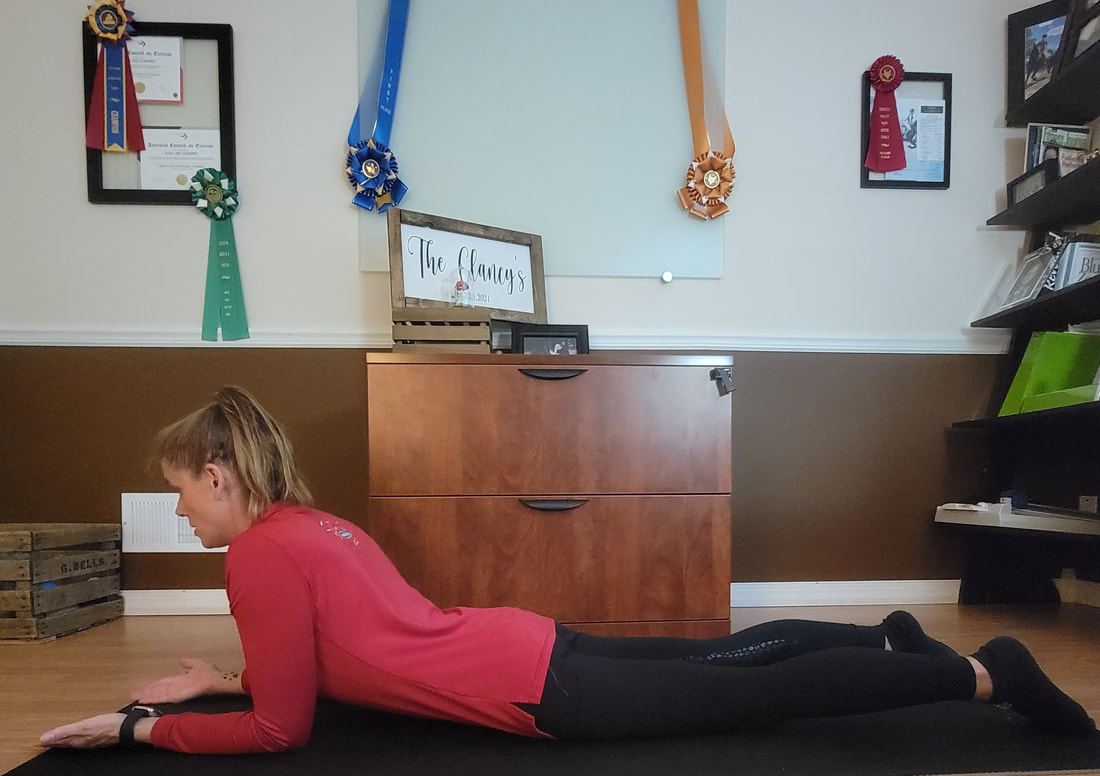
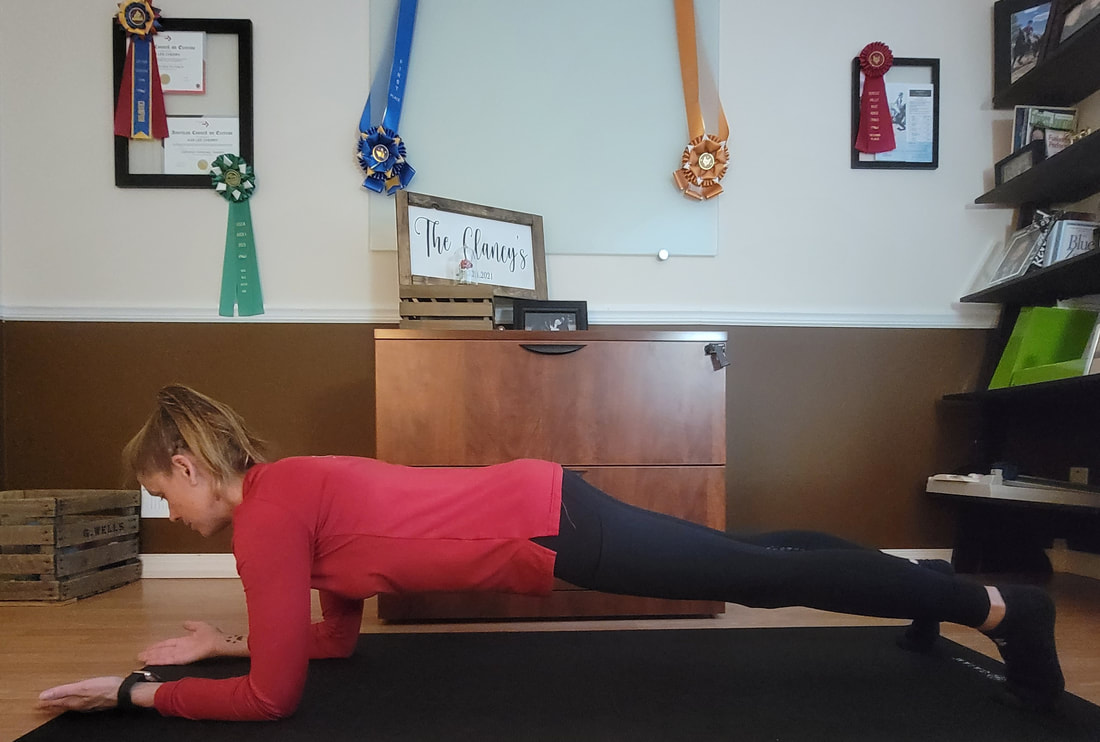
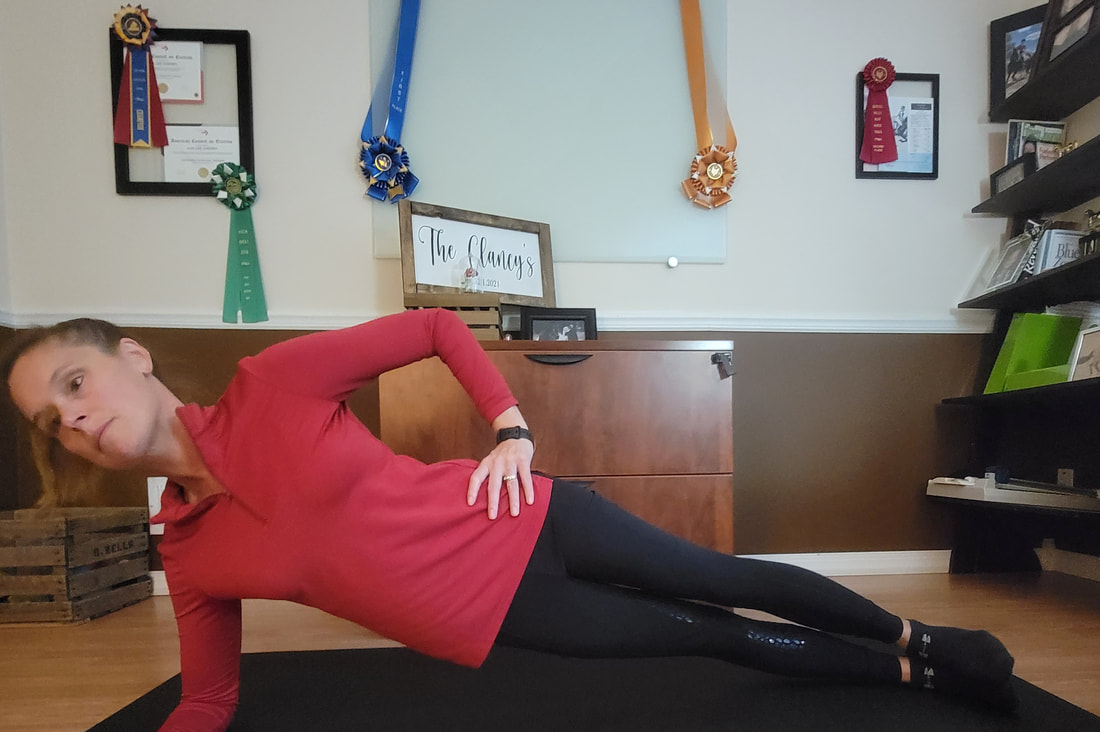
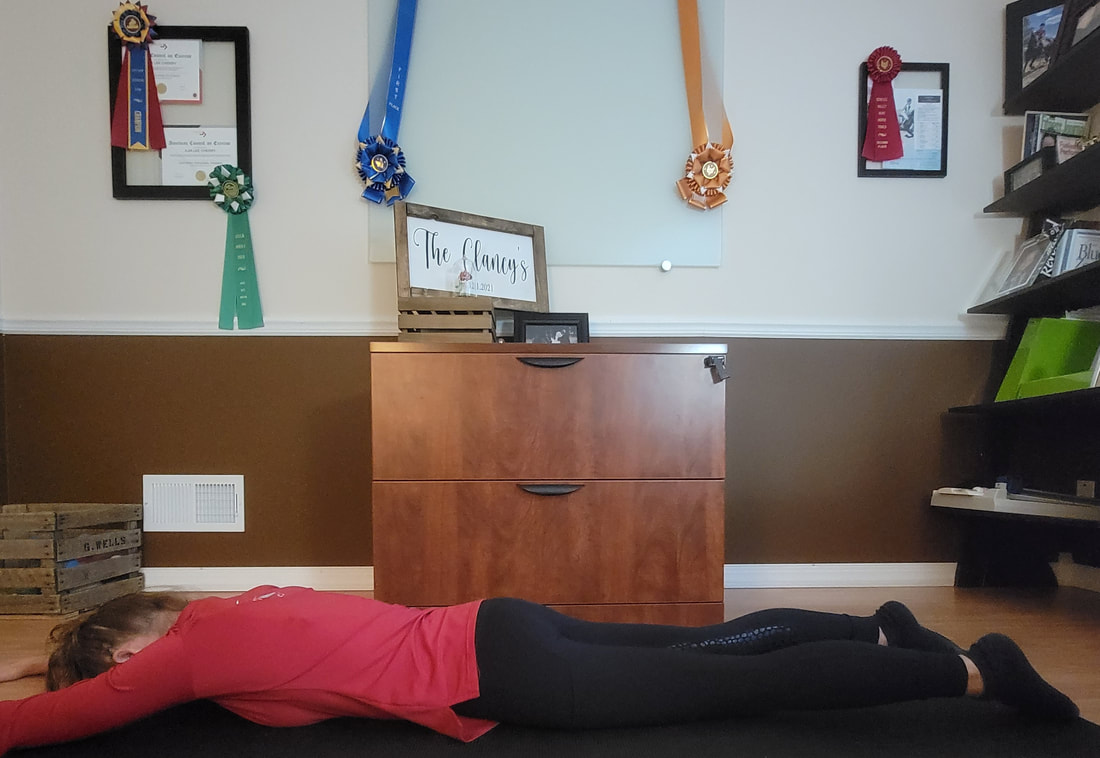
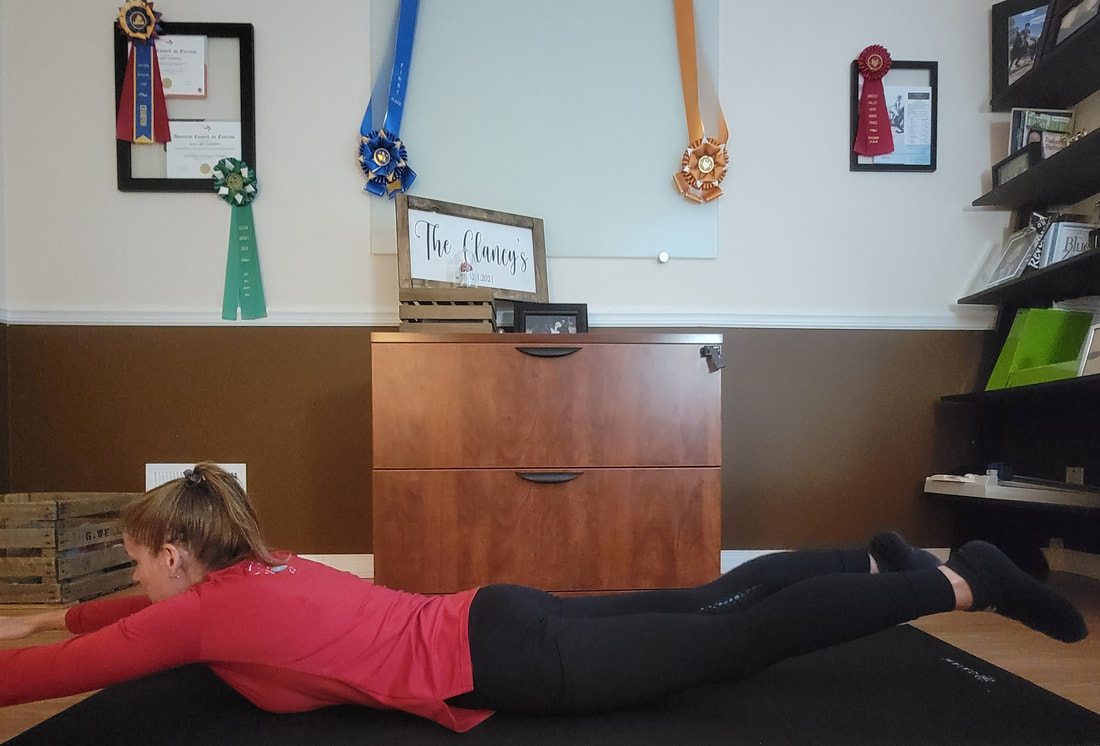
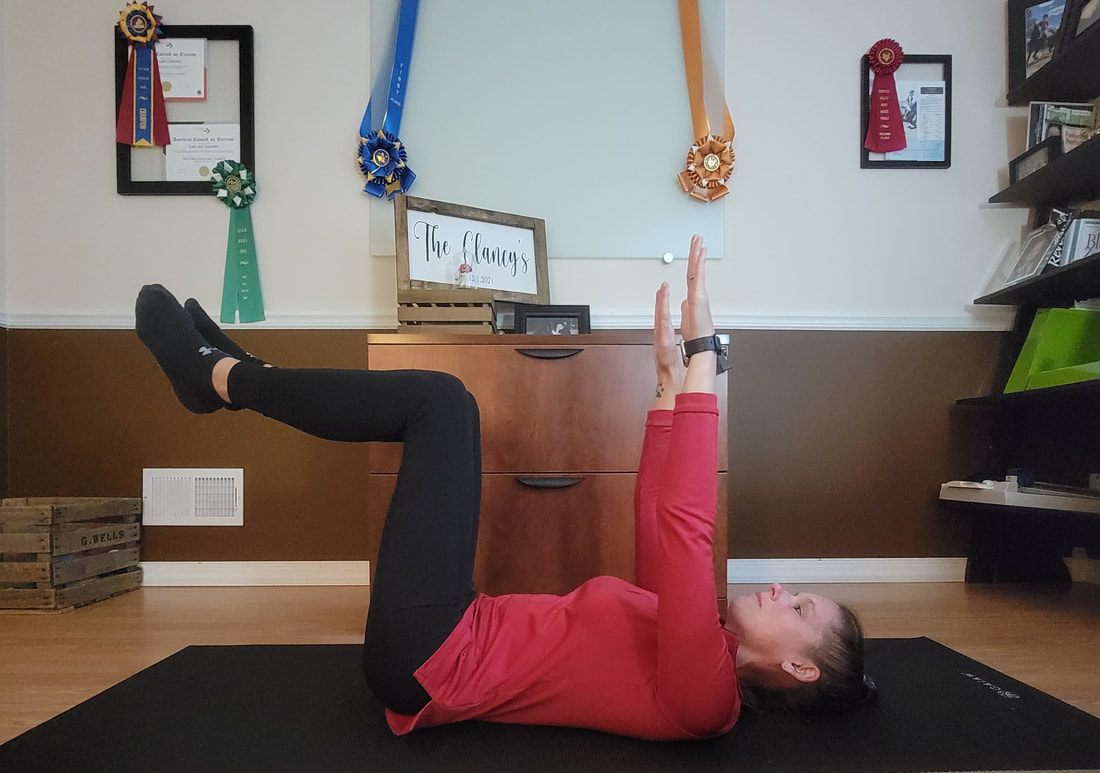
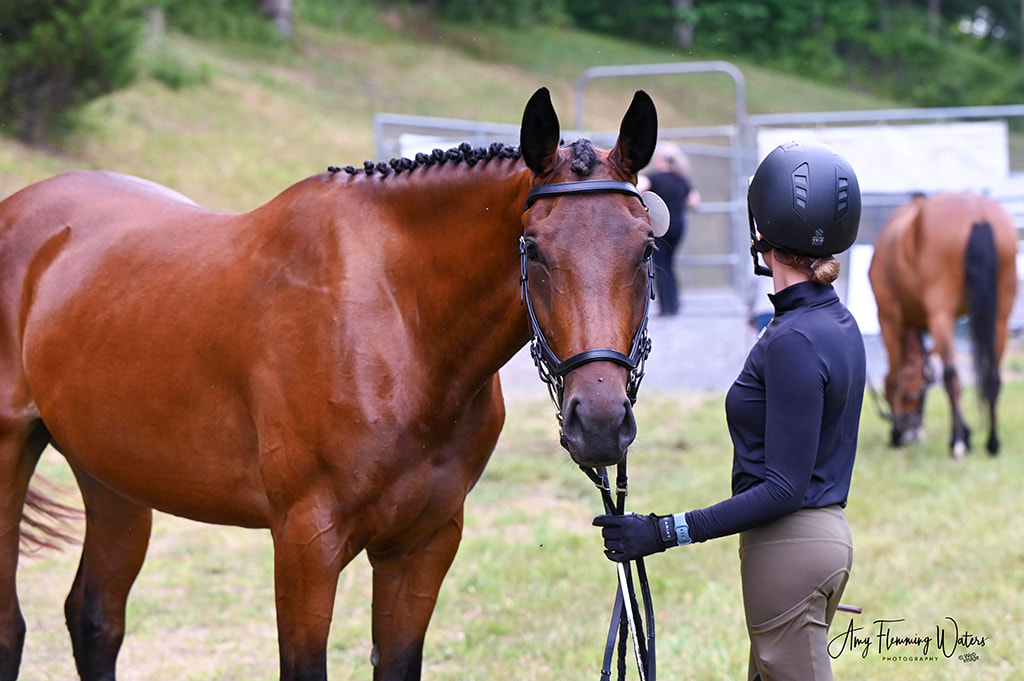
At the time of this writing Matt, Bellavista Illumination, "Thea," and I are on the way to Young Horse Show Qualifiers at Loc Moy, in Adamstown, Maryland. Matt is driving, because it's the only time I allow him to drive 'my' truck, our favorite Amazon station is blaring, our Rtic cooler is FULL and I think we put Thea on the trailer before we left. Making healthier choices when possible while horse-showing is important to ensure your well-being and maintain optimal performance. After all the money and time you invest leading up to a show, the last thing you need is to pass out or worse, be stuck in a horse show porta potty on a 90 degree day.. Here are some tips to help you make healthy choices during horse shows: 1. Get Adequate Rest: Lack of sleep can negatively impact your focus, overall performance and reaction time. Prioritize getting enough sleep each night to support your mental and physical well-being. 2. Stay Hydrated! Drink plenty of water <-- WATER NOT Alcohol, and limit caffeine or sugary drinks, throughout the day to stay hydrated. While it may be tempting to rely on excessive coffee or energy drinks during long show days, these beverages can lead to dehydration and energy crashes. Dehydration can negatively affect your energy levels and overall performance. Carry a water bottle with you and refill it regularly. If you are using the venue's water make sure to ask if it is for 'human' consumption. For example, Loc Moy does not have 'human' safe water. 3. Eat Balanced Meals: Aim for balanced meals that include a combination of vegetables and fruits, whole grains and lean proteins. Avoid relying on fast or processed foods, which are often high in sugars and unhealthy fats. Plan and prepare your meals in advance, if possible, to have healthy options readily available. 4. Snack Smart: Avoid sugary snacks and opt for nutrient-dense options that provide sustained energy. Pack healthy snacks such as fresh fruits, nuts, granola bars or yogurt to keep you fueled between classes. 5. Stay Active: Depending on if you have an assigned ride time or not, horse showing is often similar to the military in that it involves, 'Hurry UP! ..and wait..' Keeping your body active helps maintain circulation and energy levels. Take breaks to walk around, stretch, or even engage in a short workout. All my competitive equestrians have access to standing workouts they can do anywhere. With long periods of sitting or standing, it's crucial to incorporate physical activity into your routine. 6. Manage Stress: Horse shows can be stressful. Let's be honest. Horses are stressful. I recommended hamsters over horses. Create space to engage in activities that help you reduce anxiety and unwind. It's important to find healthy ways to manage stress. Practice relaxation techniques such as deep breathing, meditation, or yoga. 7. Prioritize Mental Health: Horse showing can be mentally demanding, so take care of your mental health. Practice self-care activities like journaling, listening to music, or spending time with loved ones. Seek support from family, friends, or professionals if needed. Remember, if horse showing isn't fun anymore.. take a break! 8. Stay Organized: Plan your schedule, grooming routines, and meals in advance to avoid last-minute stress and unhealthy choices. Being organized allows you to focus on your well-being and make better decisions overall. Personally I am a HUGE Fan of Trello.com. I have boards for clinics, dressage shows, in-hand classes.. you name it. 9. Sun Protection: Protect yourself from the sun's harmful rays by wearing sunscreen, sunglasses, a sunshirt and a hat. Excessive sun exposure and sunburns can lead to discomfort and long-term damage. Remember, making healthy choices is not just beneficial during horse shows but also promotes long-term well-being and performance. Listen to your body, make choices that align with your goals, and prioritize self-care. Any tips you want to add? DM Me! I coach many equestrians. One of the most common weaknesses I see, whether from the casual pleasure rider or the Grand Prix dressage rider and everyone in between is a weakness in the core muscles. I have put together 4 core exercises that I highly recommend to improve your riding strength These 4 exercises take less than 8 minutes, leaving you plenty of time for barn chores. So no excuses. Any questions, or other riding issues you're having, just DM Me. Happy to help. Front PlankInstructions: 1. Lie face down on a mat with elbows resting on the floor next to your chest, palms facing up or in a fist position, feet together. 2. Push your body off the floor in a push-up position with your body resting on elbows or hands. 3. Contract the abs and keep the body in a straight line from head to toes. Hold for 30-60 seconds, then lower body returning to starting position. Repeat 2 times. Side PlankInstructions: 1. When performing the side plank, ensure that your body is in a straight line and your supporting elbow is underneath your shoulder. 2. Squeeze your glutes to keep your hips forward in line with your body. 3. Once in position and you have a nice straight line down your body, hold for 15-30 Seconds. Repeat 2 times on each side. SupermanInstructions: 1. Lie face down, legs straight, feet together, arms out straight above your head on a mat. 2.Squeeze your glutes to slowly raise your legs and arms, as well as slowly arching your back. 3.Return to starting position. Repeat 15 times. Dead Bugs |
AuthorAjia Clancy coaches YOU to self empowerment while helping you navigate life towards your health & wellness goals. Archives
February 2026
Categories
All
|


RSS Feed