
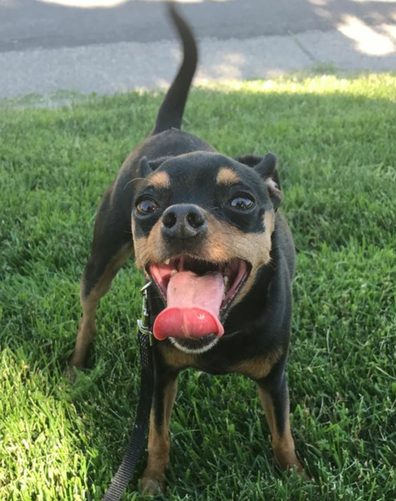
 During the summer months, it's essential to be mindful of the heat and take precautions to keep your dog comfortable and most important, safe. Dogs are susceptible to heatstroke and other heat-related illnesses, so it's crucial to follow these temperature guidelines:
0 Comments
 Summer can be an enjoyable season, but it also brings its own set of health challenges. So you can make the most of the season while staying healthy and safe, here are some essential tips and items to consider:
Remember that every individual's health needs are unique, so consult with your healthcare provider if you have specific concerns or health conditions that require extra attention during the summer months. Enjoy the summer safely by being proactive about your health and well-being. What are you summer favs? Please share! 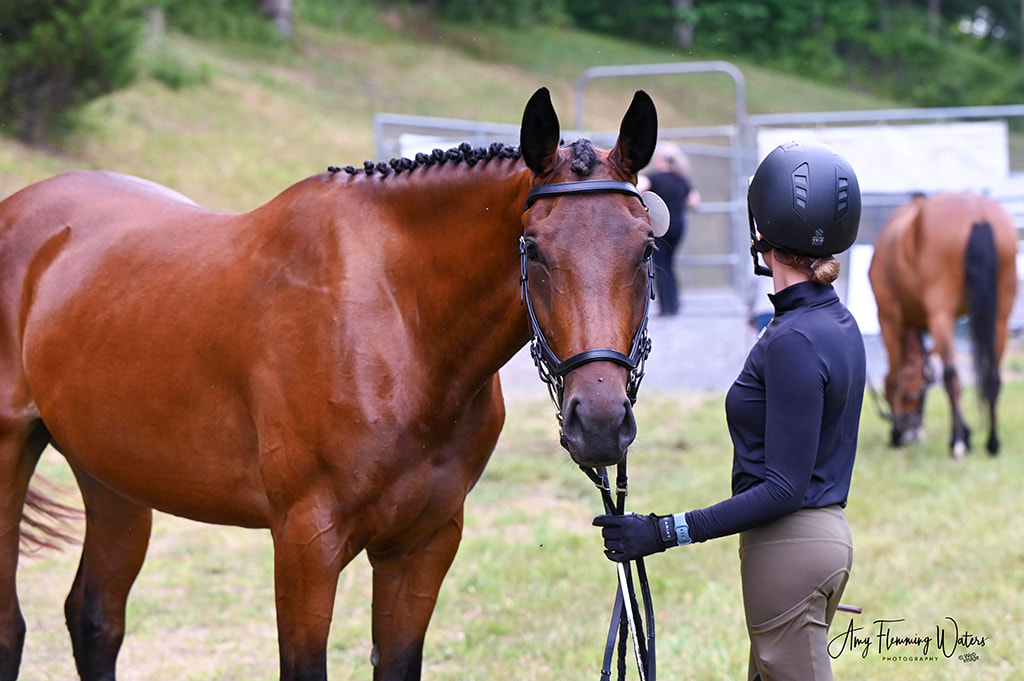 It's officially horse show season.
At the time of this writing Matt, Bellavista Illumination, "Thea," and I are on the way to Young Horse Show Qualifiers at Loc Moy, in Adamstown, Maryland. Matt is driving, because it's the only time I allow him to drive 'my' truck, our favorite Amazon station is blaring, our Rtic cooler is FULL and I think we put Thea on the trailer before we left. Making healthier choices when possible while horse-showing is important to ensure your well-being and maintain optimal performance. After all the money and time you invest leading up to a show, the last thing you need is to pass out or worse, be stuck in a horse show porta potty on a 90 degree day.. Here are some tips to help you make healthy choices during horse shows: 1. Get Adequate Rest: Lack of sleep can negatively impact your focus, overall performance and reaction time. Prioritize getting enough sleep each night to support your mental and physical well-being. 2. Stay Hydrated! Drink plenty of water <-- WATER NOT Alcohol, and limit caffeine or sugary drinks, throughout the day to stay hydrated. While it may be tempting to rely on excessive coffee or energy drinks during long show days, these beverages can lead to dehydration and energy crashes. Dehydration can negatively affect your energy levels and overall performance. Carry a water bottle with you and refill it regularly. If you are using the venue's water make sure to ask if it is for 'human' consumption. For example, Loc Moy does not have 'human' safe water. 3. Eat Balanced Meals: Aim for balanced meals that include a combination of vegetables and fruits, whole grains and lean proteins. Avoid relying on fast or processed foods, which are often high in sugars and unhealthy fats. Plan and prepare your meals in advance, if possible, to have healthy options readily available. 4. Snack Smart: Avoid sugary snacks and opt for nutrient-dense options that provide sustained energy. Pack healthy snacks such as fresh fruits, nuts, granola bars or yogurt to keep you fueled between classes. 5. Stay Active: Depending on if you have an assigned ride time or not, horse showing is often similar to the military in that it involves, 'Hurry UP! ..and wait..' Keeping your body active helps maintain circulation and energy levels. Take breaks to walk around, stretch, or even engage in a short workout. All my competitive equestrians have access to standing workouts they can do anywhere. With long periods of sitting or standing, it's crucial to incorporate physical activity into your routine. 6. Manage Stress: Horse shows can be stressful. Let's be honest. Horses are stressful. I recommended hamsters over horses. Create space to engage in activities that help you reduce anxiety and unwind. It's important to find healthy ways to manage stress. Practice relaxation techniques such as deep breathing, meditation, or yoga. 7. Prioritize Mental Health: Horse showing can be mentally demanding, so take care of your mental health. Practice self-care activities like journaling, listening to music, or spending time with loved ones. Seek support from family, friends, or professionals if needed. Remember, if horse showing isn't fun anymore.. take a break! 8. Stay Organized: Plan your schedule, grooming routines, and meals in advance to avoid last-minute stress and unhealthy choices. Being organized allows you to focus on your well-being and make better decisions overall. Personally I am a HUGE Fan of Trello.com. I have boards for clinics, dressage shows, in-hand classes.. you name it. 9. Sun Protection: Protect yourself from the sun's harmful rays by wearing sunscreen, sunglasses, a sunshirt and a hat. Excessive sun exposure and sunburns can lead to discomfort and long-term damage. Remember, making healthy choices is not just beneficial during horse shows but also promotes long-term well-being and performance. Listen to your body, make choices that align with your goals, and prioritize self-care. Any tips you want to add? DM Me!  The Importance of Men's Health is a vital but often overlooked aspect of overall well-being. National Men's Health Month provides an opportunity to address the unique disparities and health concerns that men face. It aims to encourage men of all ages to engage in preventative measures, seek medical care when need, and take charge of their health. By prioritizing men's health, we can foster a culture of well-being and support men in living happier and healthier lives.
Several health issues disproportionately affect men, making it crucial to encourage early detection and prevention and to raise awareness. Some common health concerns among men:
Taking small steps toward a healthier lifestyle can have a significant impact on overall well-being. Here are some practical tips to encourage men to prioritize their health:
Let’s make it the ‘manly’ thing to do all the time. 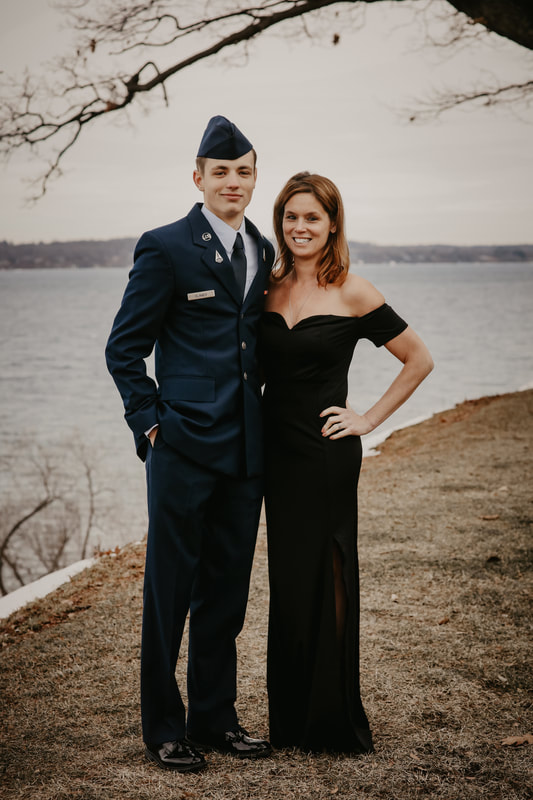 I'm sitting on a balcony overlooking Bluewater Bay near my son, Matty's current assignment at Eglin AFB.
Coffee in hand. Laptop in my lap, protected from the scalding plastic chairs by my now 3rd degree-burned thighs. Life is good. How is it that I was planning Matty's High School graduation just a year ago and now he's suggesting restaurants we need to try? Is it because he knows that the way to my heart is through my stomach or does he just want a free meal? Honestly, either is fine. Parenting is a transformative journey filled with challenges, countless proud moments, and joys. When your child serves in the military, it adds a unique layer to the experience. It's an exceptional journey of being a parent to a military child, everything from the immense pride, resilience, and sacrifices that come with this role. Pride and Sacrifices: Parents of military children make their own sacrifices. For example, Matt and I had to choose between Rolex and visiting Matty. Equestrians will understand the difficulty. You endure the separations, the uncertainty, and the worry that comes with having a child in the military. Yet, your pride shines through as you watch your child serve their country with honor and dedication. The sacrifices you make as a parent reflect the unwavering love and support you have for your child, knowing that their service contributes to something greater than themselves. Celebrating Resilience: Military children demonstrate extraordinary resilience in the face of adversity. They learn to cope with the unique demands of military life. As a parent, you witness their adaptability and strength firsthand, and it fills your heart with pride to see them grow into resilient individuals and overcome challenges. Supporting Through Separation: One of the significant challenges of being a parent to a military child is dealing with the periods of separation. As a parent, you offer reassurance and unwavering support, providing comfort and stability during these times of absence. Maintaining open lines of communication, offering emotional support, rearranging travel schedules for most visits, and sending care packages become essential tools in helping your child navigate the challenges of separation. Embracing the Military Community: Being a parent of a military child means embracing the military community. Military families offer a unique support network, understanding the challenges and joys that come with military life. Engaging with other military parents allows you to exchange advice, form deep connections, and share experiences. The bonds forged within the military community become a source of encouragement and strength for both you and your child. Celebrating Achievements: ALWAYS. CELEBRATE. YOUR. WINs. Every accomplishment, milestone, and promotion your military child achieves becomes a moment of celebration. From graduations to promotions, witnessing their achievements and growth is indescribable. You recognize the determination and hard work they have invested in their military career, and as a parent, you feel a deep sense of accomplishment in raising a child who serves with courage and integrity. Having the honor of watching Matt, tap Matty out at his graduation is a core memory. The absolute highlight of this adventure so far and one I will cherish forever. During our recent visit, Matty gave us a private tour of his radar station. As I paused for a moment to take a step back and watch him as he proudly showed us some of the demands of his military life, my heart swelled with pride, knowing we have raised a true hero. Until the next visit.. 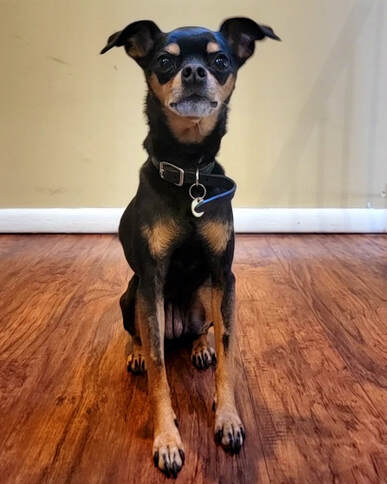 My recent stresser Happy National Stress Awareness Month!
Everyone experiences stress. Matt & I like to experience stress and we love to celebrate everything.. so we kicked off the month with not one, but two, of our (dog,) children being rushed to an animal emergency. (All good now!) We’re all or nothing. We, well, I, am the walking definition of stress; a state of worry or mental tension caused by a difficult situation. Then there are generally four different stress responses; fight, flight, freeze or fawn. I’m freeze. WebMD’s What Does Fight, Flight, Freeze, Fawn Mean? By Martin Taylor explains each in detail. With a variety of choices of coping mechanisms; some good and some, uhh opportunities for improvement, I have a few different ways you could try to pull yourself out of that stressful state of mind. 1. Manage, No, PROTECT Your energy. .. are you tired of hearing me write about energy? Family, dogs, vet bills, friends, work etc. all requiring your simultaneous energy can make it difficult to function let alone thrive. Prioritize what requires your immediate energy and take what you can and set it aside. Good friends will understand if you need space. Quality clients, or a good leader, (Not boss,) leader, will want the best version of you and will understand if you need to reschedule or delegate. 2. Manage, No, CREATE Space to reduce distractions. Buzz. Distractions? Ring. What are those? Every distraction that steals your energy costs you twice as much time to refocus. Minimize them. Do Not Disturb. Create space by scheduling specific focused work time. That’s what I’m currently doing as I write this. I’ve got my ear buds playing (Re) Discover The 2000s: Hip-Hop and I’m typing away ignoring my grammar errors since I save those for my son and husband, and poor friend Laura to find for me before presenting to you. 3. Find ways to destress When you are feeling stressed or overwhelmed, you need to have an activity that helps clear your mind. There is no magical answer other than, find something you actually enjoy doing. Don’t do hot yoga because your girlfriend is telling you to do it to relieve stress when you know you hate it and would rather jump out the window. Make a list of things you enjoy doing and will look forward to doing.. Here’s my list:
As always, if you need help empowering yourself just DM Me. Happy to help.  February. National Heart Month. The month dedicated to the heart.
Literally. The month of love. Figuratively. Valentine's. Sweethearts. The hype implies you need someone like a sweetheart to love you. However, just as I rang in the New Year screaming YOU DON'T NEED A DAY TO MAKE SELF CHANGES, allow me to scream the following things you also DO NOT NEED: 1. A Sweetheart or their permission to be loved. 2. A day or month for you to be loved. As a child of divorce and parental abandonment, and not in that order, and then a shitty 1ST Marriage where I was married to a narcissist I had the wildest sense of what I required to love myself. It wasn't until I was separated and far into my 30s that I truly began to love myself. There was a lot of trial and error there too... It's not like I work up one day magically healed from all of my residual trauma. But. Here's what I learned. YOU are your own sweetheart. You are your own hero in your story. If you need permission, then by all means my friend permit yourself this very moment to begin self-love. So how does one begin to love themselves? Begin by setting healthy boundaries. Parent? Sibling? Partner? Friend? If they cannot care about or understand your feelings and need, seek and want too much admiration or attention. Set a boundary. If they see you, their child, as an extension of themselves and not your person. Boundary. If they are usually a selfish person and only think about themselves and not about you, their partner, or your relationship and they expect you to do all the housework. Boundary. If you're reading this and you’re starting to get triggered by a certain person in your life then chances are they are a narcissist, (but I'm happy to refer you to some FREE Self-help links to confirm what you already know.) Set a healthy boundary. Healthy boundaries include being able to communicate your needs and wants, including the ability to say, 'No." They also include honoring and respecting your own needs and wants. If you find you are surrounded by people that do not respect your boundaries then you may find yourself in the next stage of self-love; cutting toxic relationships out of your life. Once you have begun to separate yourself from the cancerous people that prioritize themselves with zero regards for you and your personal growth then and only then can you truly begin to grow. So how do you focus on yourself? Be self-confident. This is the key to success in your health and your life and so many other aspects. Every day look at yourself in the mirror and say, " I AM ENOUGH." Or, "I DESERVE ALL OF MY BLESSINGS." Or pick your own mantra. Practice positivity. Practice being GrateFULL Daily. From your cup of coffee to how well someone you love is doing. Scheduling some "me" time on your calendar. Since I love a good challenge... Literally and figuratively, I'm challenging everyone to love themselves. Here’s a link to my FREE 14 Day Self Love Challenge.  t. THIS. This is my *fav* month of the entire year. The second the sun rises the day after Thanksgiving is cue to ask Alexa to play Christmas music and cue to ask Matt to start dragging Christmas totes upstairs. Almost as fast as Disney goes from Halloween to Christmas, the Clancy household is transformed. This is an amazing, exciting, and yes stressful time of year for everyone...
Yes. Stressful. I said what I said. I'm going to try to make it a little less stressful and give you 12 FITMas Gift Ideas for yourself, and others in your life. This way you can get onto the important things.. like ever perfecting those wrapping and bow making skills. PRANA Double Peak Convertible Pant Men's I love these pants so much I'm tempted to buy a men's pair for myself. Sadly this isn't my husband's style. Someone order a pair of these for their SO so I may live vicariously through you. PRANA Women's Essential Headband I have these in 40 different colors. I think everyone needs these in all the colors too. They make great stocking stuffers for yourself and your godchildren. Not that I would know. SPRI Core Board In addition to the holidays challenging your emotional capacity the Core Board challenges your balance, core, coordination and strength, giving you an all around effect. SPRI Total Body Resistance Kit This is one of the 1ST pieces of equipment I ask my clients to invest in. For the cost the exercise options are plentiful. I actually stock these for those of you that have waited until the last minute.. SPRI Fitness Bench If you want something to not only keep you or your SO busy with for hours on Christmas day, (just putting together,) this will also keep you, or them, busy during future workouts. The bench both declines and inclines to really expand upon various exercises. Massage Gift Certificate I may be biased BUT, everyone, (in the Rochester Area,) yourself included, should purchase an Essential Massage By Michelle Massage Gift Certificate. SPRI EVA Full Foam Roller If you live too far away from Essential Massage By Michelle, the foam roller is your next best option. SPRI FILA Cardio Speed Rope Baby, it's cold outside. Why not add another indoor cardio option? SPRI Yoga Mat No one's knees WANT To work on the floor. Give the knees the gift of 6mm of padding. SPRI Slide Board Too cold to ice skate? Try the slide board. In all seriousness this is another great tool to expand upon various exercises. Motivational Water Bottles Besides the motivational time markers, the motivation to drink more and make them lighter to carry is wildly inspiring. TIME No link here.. just time. Give yourself permission to give yourself time to do whatever YOU Want. If you feel like your emotional tank is full and you have some goodvibes to spare.. considering giving your time to someone else. I get all PRANA & SPRI items at cost so please don't hesitate to reach out. I do NOT Charge any upcharge for active clients. Need more suggestions? Or help choosing the right thing for yourself or someone else? Just DM Me. I'm always here to help. 'Tis the season. We live in a world where we go from Halloween to Christmas faster than a narcissist loses their shit over being called out on their actions. It's a wild ride. We are thrown from one extreme to the other so fast that we forget to create space for ourselves and focus on what matters. Gratitude.
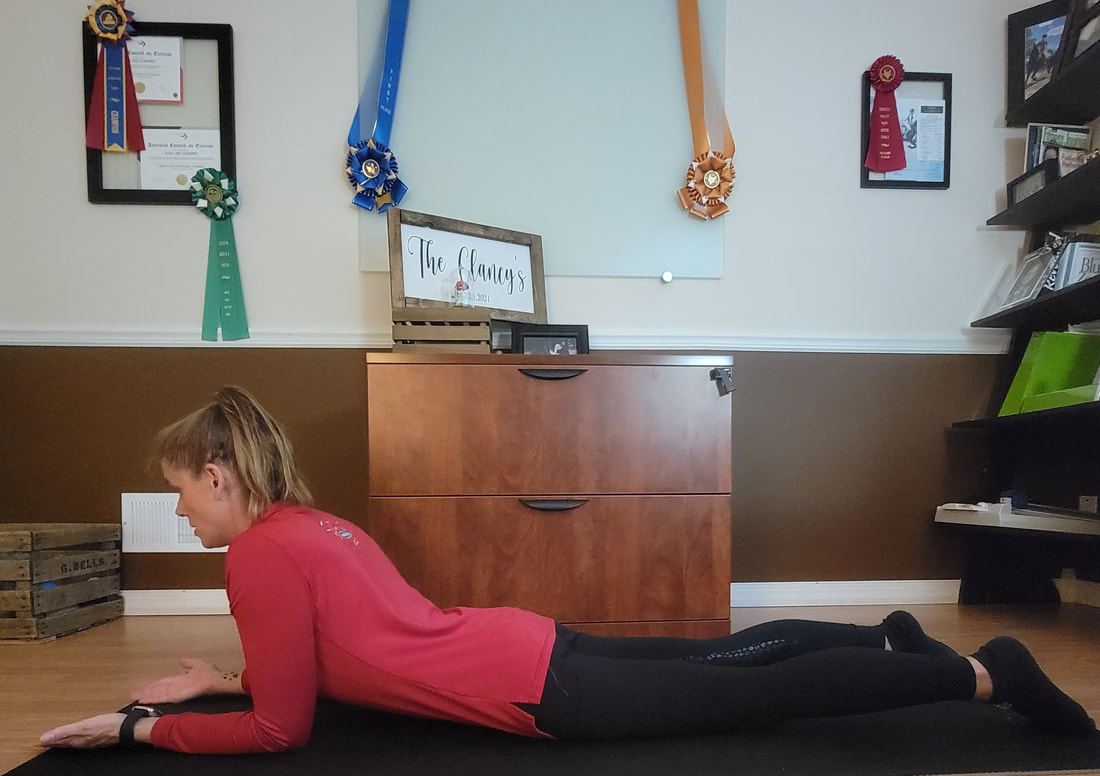
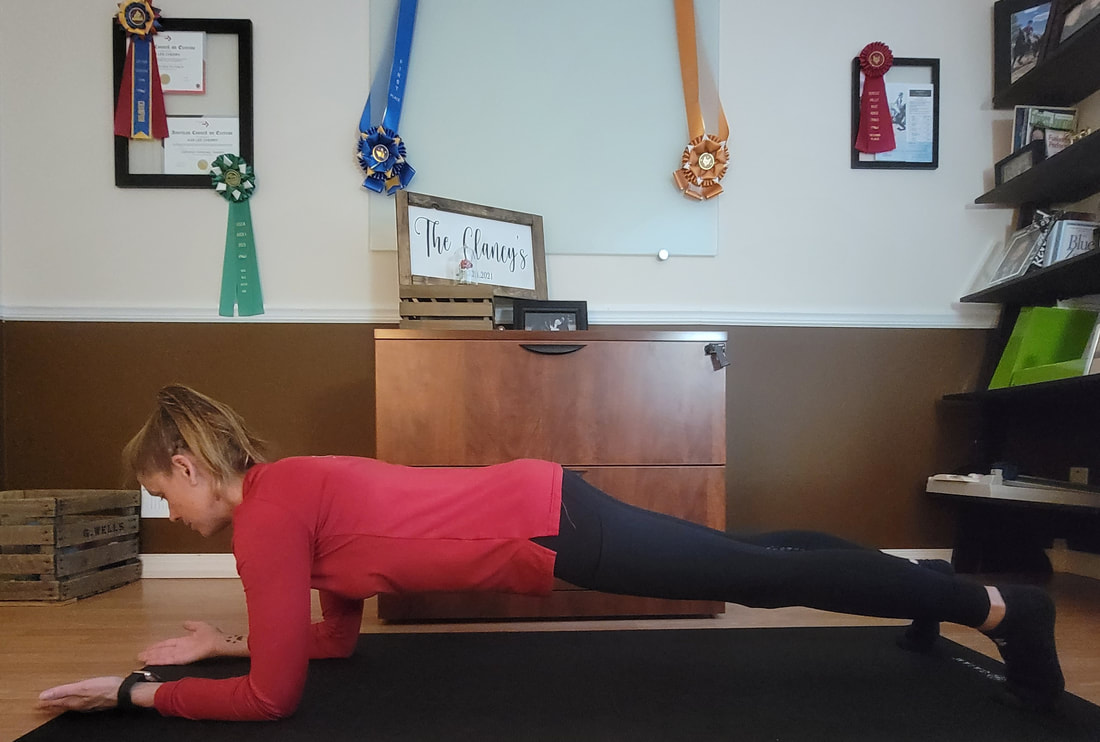
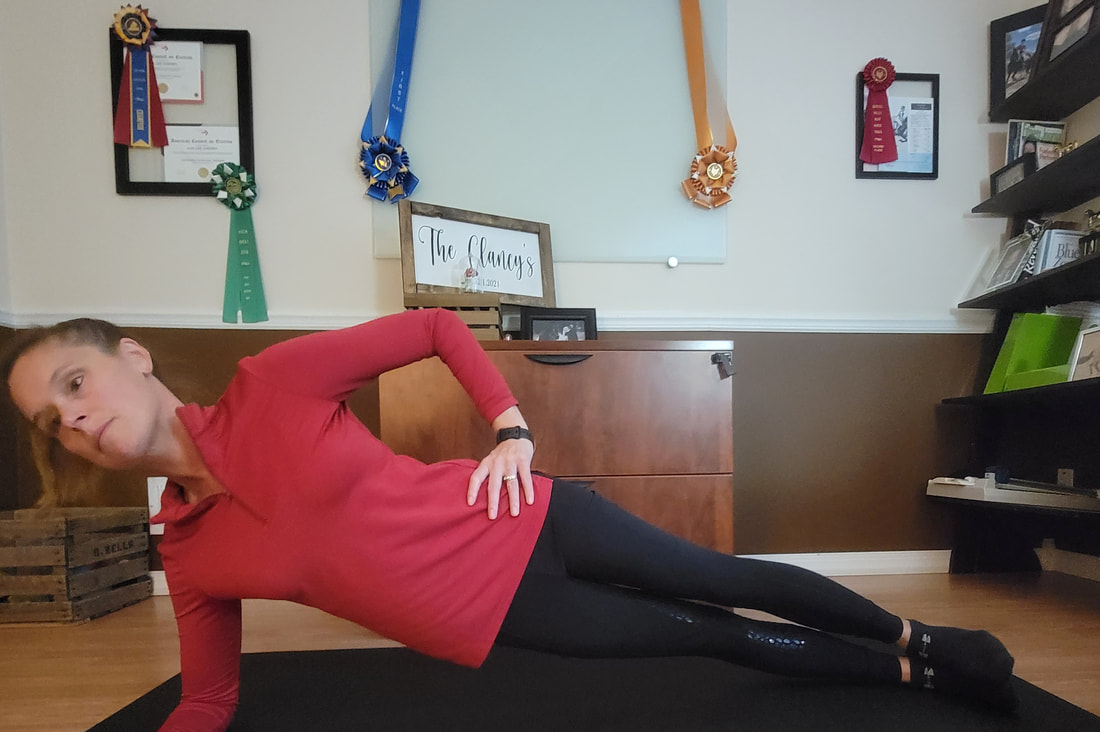
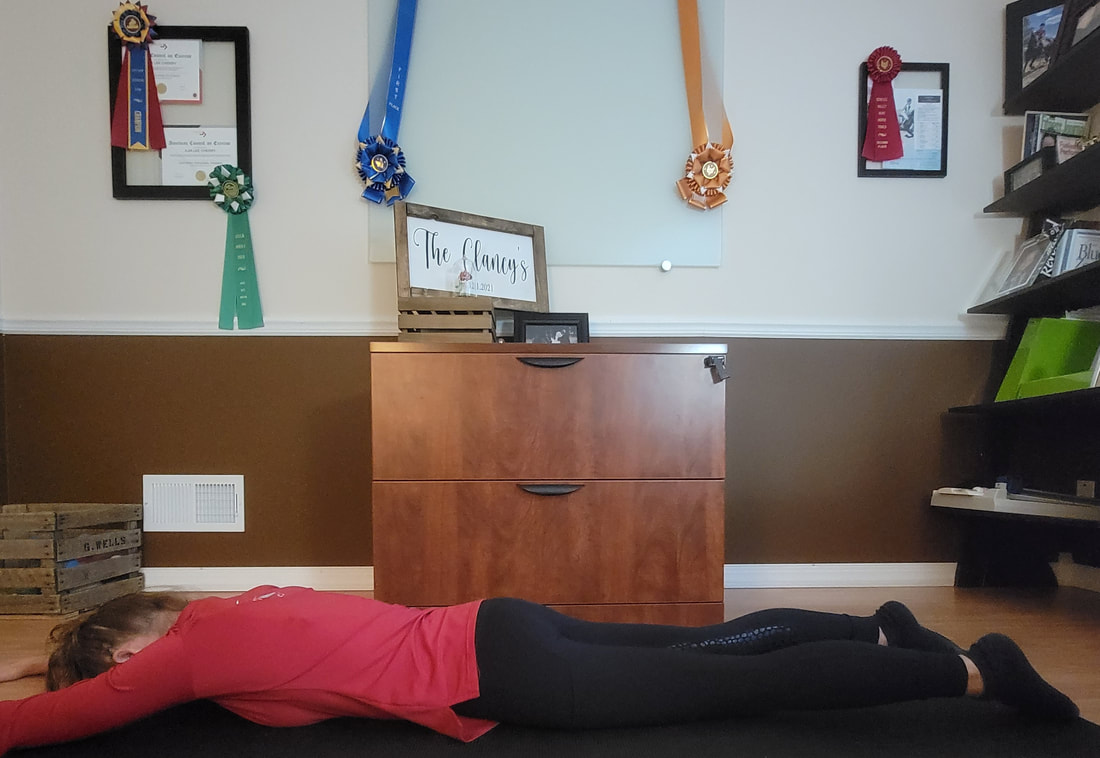
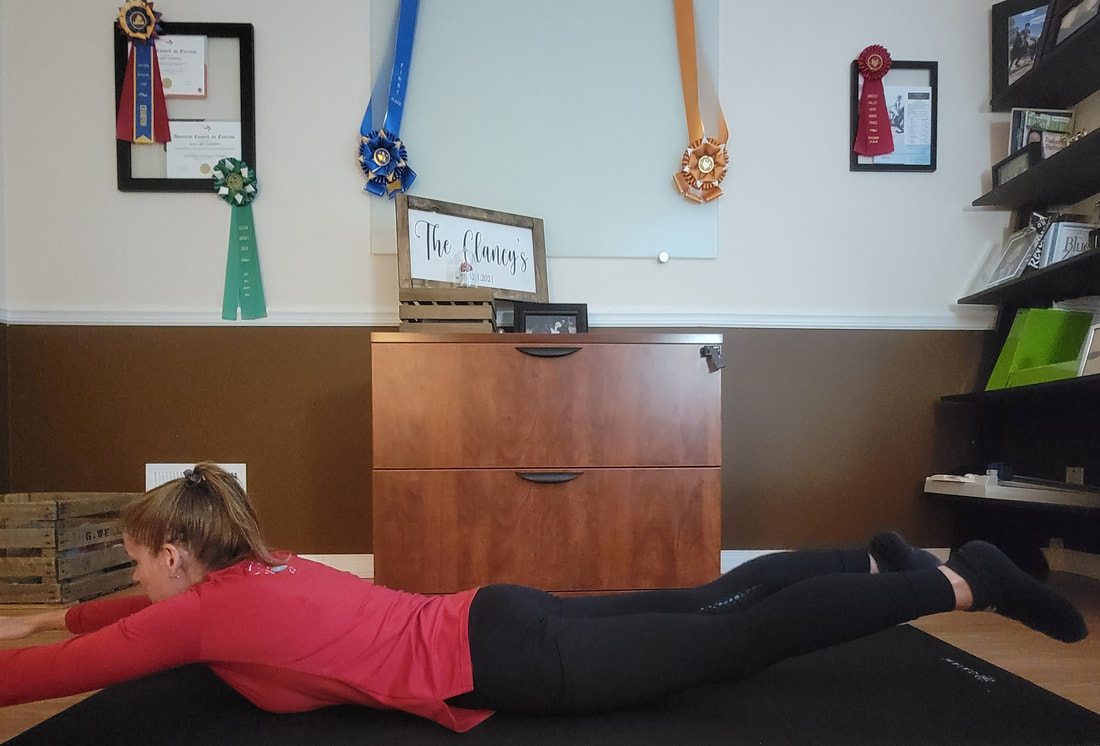
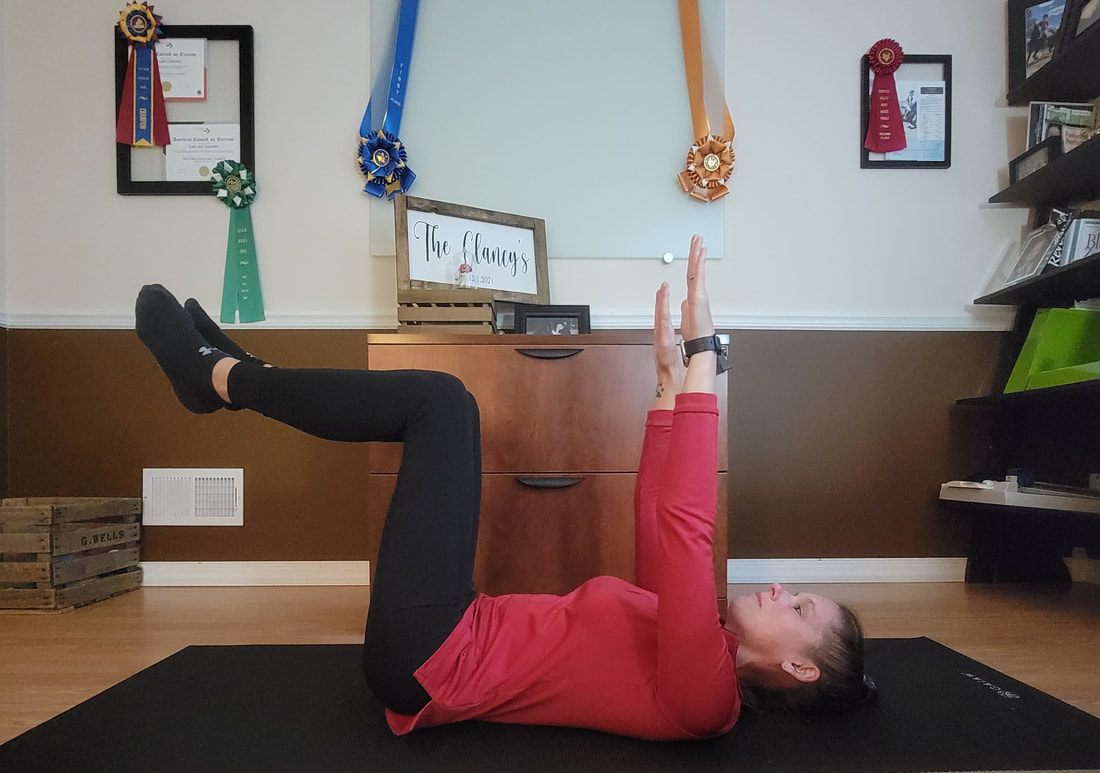
'Tis the season for gratitude everyone and it seems that some of you have forgotten that. Well, lemme enlighten you people. If you choose to not be grateful for what you have right in front of you, you are setting yourself up for a world of disappointment, heartache, and a victim mentality. I challenge you to read the rest of this blog with an open mind and try a thing or two. Who knows, by the time you've untassled your tinsel, maybe, just maybe, you'll be less stressed and more blessed. 1. Change the way you think. Ikikik.. easier said than done. Trust me. I KNOW. I understand. I challenge you to begin to shift your focus from lack or, “The Gap,” to an abundance or, “The Gain.” There is a fab book my husband & I started reading called The Gap & The Gain by Dan Sullivan. We started to read it way back when for a multitude of reasons. WE are always striving to be better parents and I am always striving to be a better business professional and coach. We are also both highly ambitious which is both a blessing and a curse. It really drove home that unsuccessful people focus on what they don’t have or, “The Gap,’ while successful people focus on what they do have or, “The Gain.” The book comes complete with homework assignments, and I have one for you.. Homework Assignment: Start a gratitude journal. Each day for one week, write down 1 to 3 things you are GrateFULL For. These 'things' could be things that made you content, happy, or proud. If you feel compelled, also write down how these things came into your life. At the end of the week, create space for yourself to reflect on how you feel. Do you feel less stressed? Do you feel more grateful? Is there a mood shift occurring? 2. Choose a Gratitude reminder. A gratitude reminder is anything you choose that you will see several times a day. It will remind you to be grateful. The gratitude reminder could be artwork, a picture, a sign, again, whatever YOU Want it to be. I am not so secretly OBSESSED With capturing memories/moments with photos, whether I am the photographer or not. Certain photos hold a LOT Of meaning to me. I often have these converted into artwork to be hung around my home. Some of my favorites are obvious; our wedding photo, one of Matty’s Senior photos, and a candid a dear friend captured of my husband and I at my sister’s wedding. I have had these converted and hung around our home and every single day when I see them, I am reminded of how grateful I am to have this family I have. I am reminded why I work so hard and will continue to work hard. Now onto your homework assignment. Homework Assignment: Choose YOUR Gratitude Reminder. Remember; this is anything YOU CHOOSE it to be! If you feel comfortable, share what it is in the comments below or via social media and tag me in it! ..and remember every time you see it think of something that you are grateful for. 3. Meditate The word meditate gets thrown around like confetti on New Year’s. Traditional meditation would consist of finding a quiet place to lie or sit, with your eyes closed, and focusing on your breathing, while you clear your mind, and let your thoughts go for several minutes. I am bad at meditation. Extremely bad. I think my meditation record is about 41 seconds. Then I start thinking about that one time in 2006 when I was 23 and I did that thing and than that one time last month when I said what I said and then I wonder if forgot to pack something for our upcoming vacation... You see why I'm bad at it? Gratitude meditation actually encourages you to actively think. Well. Sign me up because that is precisely what my brain was put on this earth to do. Think. Think more. Over think. This is the time to think about those, ‘things,’ I previously mentioned, but you don’t have to write them down. Homework Assignment: Find a quiet or loud place to lie, sit or stand, with your eyes closed or open, and focus on your breathing or don't, (just keep breathing,) and go crazy with thoughts of gratitude. What big or small, experiences, past or present, people or things in your life are you grateful for? I truly hope you are able to create space for yourself and practice at least one of these gratitude challenges and feel less stressed and more blessed. Life IS Good my friends. I coach many equestrians. One of the most common weaknesses I see, whether from the casual pleasure rider or the Grand Prix dressage rider and everyone in between is a weakness in the core muscles. I have put together 4 core exercises that I highly recommend to improve your riding strength These 4 exercises take less than 8 minutes, leaving you plenty of time for barn chores. So no excuses. Any questions, or other riding issues you're having, just DM Me. Happy to help. Front PlankInstructions: 1. Lie face down on a mat with elbows resting on the floor next to your chest, palms facing up or in a fist position, feet together. 2. Push your body off the floor in a push-up position with your body resting on elbows or hands. 3. Contract the abs and keep the body in a straight line from head to toes. Hold for 30-60 seconds, then lower body returning to starting position. Repeat 2 times. Side PlankInstructions: 1. When performing the side plank, ensure that your body is in a straight line and your supporting elbow is underneath your shoulder. 2. Squeeze your glutes to keep your hips forward in line with your body. 3. Once in position and you have a nice straight line down your body, hold for 15-30 Seconds. Repeat 2 times on each side. SupermanInstructions: 1. Lie face down, legs straight, feet together, arms out straight above your head on a mat. 2.Squeeze your glutes to slowly raise your legs and arms, as well as slowly arching your back. 3.Return to starting position. Repeat 15 times. Dead Bugs |
AuthorAjia Clancy coaches YOU to self empowerment while helping you navigate life towards your health & wellness goals. Archives
April 2024
Categories
All
|


 RSS Feed